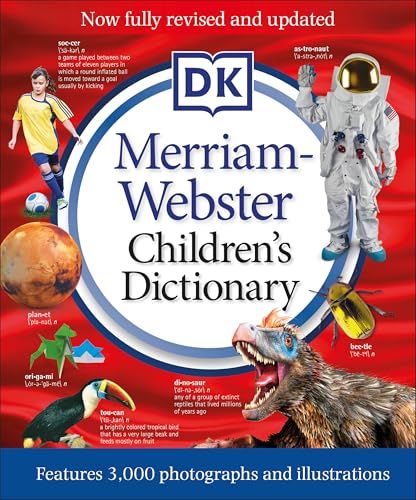
Best children's dictionaries in 2026

children's dictionaries
AI
Finding the right children's dictionary supports early literacy and builds confidence in young readers. We evaluated options based on age-appropriate definitions, visual aids, and durability. This curated list highlights top-rated resources that balance educational value with engaging design for Canadian families seeking reliable reference tools.
Updated This Week
10
products
15-44€
Price Range

Interactive Comparison

As an Amazon Associate we earn from qualifying purchases.

Our Quick Picks

As an Amazon Associate we earn from qualifying purchases.

-
/ 10 Products Shown

As an Amazon Associate we earn from qualifying purchases.

No products match your filters

Our Expert Verdict: children's dictionaries

AI
This list balances trusted publishers like Merriam-Webster with engaging, visually rich alternatives. We recommend starting with a picture-heavy dictionary for early readers and upgrading to text-focused models as vocabulary expands.

Market Overview: children's dictionaries

AI
The children's dictionary market favors durable, visually engaging books that support independent learning. Trends show a shift toward comprehensive entries with clear phonetics and modern, accessible design for diverse learning styles.

Buying Guide: children's dictionaries

AI
When selecting a children's dictionary, prioritize clarity and engagement. Look for age-appropriate definitions, helpful illustrations, and durable binding. Consider whether your child needs a picture-heavy guide or a more text-focused reference for advanced vocabulary building.

Selection Criteria

We selected these dictionaries based on editorial ratings, user reviews, definition clarity, visual appeal, and overall value for money in the Canadian market.

Budget Advice

AI
Entry-level options often cost under CA$20, offering basic references. Mid-range dictionaries range from CA$20 to CA$35, providing better illustrations and more words. Premium editions exceed CA$35, featuring extensive visuals and advanced features.

Conclusion: children's dictionaries

AI
Explore our full comparison to find the perfect match for your child's reading level and learning style. Click through to see detailed reviews, pricing, and key features for each recommended dictionary.

Frequently Asked Questions

AI
Most children begin using simple picture dictionaries around ages 4 to 6 as they start recognizing words. By ages 7 to 9, they can transition to standard text-based dictionaries with more complex definitions.
Print dictionaries encourage tactile learning and reduce screen time, which many parents prefer for younger children. Digital options offer audio pronunciations and quick search features, suitable for older students or tech-integrated learning.
Check the recommended age range on the cover or product description. Look for clear, simple language in definitions and ample illustrations for younger readers, while older children benefit from comprehensive entries and usage examples.

Related Lists

Why Trust This List?

Data-Driven Selection

Analysis of 0 verified customer reviews

Regularly Updated

Last updated fa 2 dies

Independent Analysis

Objective criteria: rating, price, popularity

Topelio participates in the Amazon Associates Program. We may earn commissions on purchases through our links, without affecting our recommendations.

Oxford Children's Dictionary
πŸ₯‡ #1

Oxford Children's Dictionary

20.95 EUR
See Deal